
Can Performance Physical Therapy Help You Avoid Surgery in Saratoga Springs?
For active adults and athletes in Saratoga Springs, the prospect of surgery can be a significant source of anxiety. It often means prolonged downtime, months of rehabilitation, and disruption to the activities you love, whether that is playing golf or training for your next race. If you have been told that a labral tear, chronic low back pain, or a rotator cuff injury requires an operation, it may be worth exploring what performance physical therapy can offer before committing to the operating table.
At Drive Physical Therapy, the goal is to address pain at its source, restore function, and prepare your body for the demands of your sport, all without unnecessary invasive procedures.
Conservative Care vs. Surgery: What the Evidence Suggests
Many common orthopedic conditions that are frequently cited as reasons for surgery can be managed effectively through conservative care. For conditions such as rotator cuff tears, meniscus injuries, sciatica, and hip impingement (FAI), research consistently shows that high-quality physical therapy can produce long-term outcomes comparable to surgical intervention for many patients.
The key distinction lies in how the condition is approached. Rather than treating symptoms in isolation, orthopedic physical therapy focuses on identifying the root cause of dysfunction. Targeted manual therapy, progressive loading strategies, and movement retraining allow the body to heal naturally and build resilience over time.
This approach is especially relevant for conditions like:
Low back pain and sciatica, where spinal mobility and core strength play a central role
Knee pain and meniscus injuries, where load management and muscle support can reduce joint stress
Shoulder impingement and rotator cuff pain, where restoring mechanics often eliminates the need for intervention
Achilles tendinopathy and plantar fasciitis, where progressive tendon loading is the gold standard of care
ACL injuries and labral tears, where prehabilitation and structured rehabilitation can support return to sport
The Value of One-on-One, Expert-Led Sessions
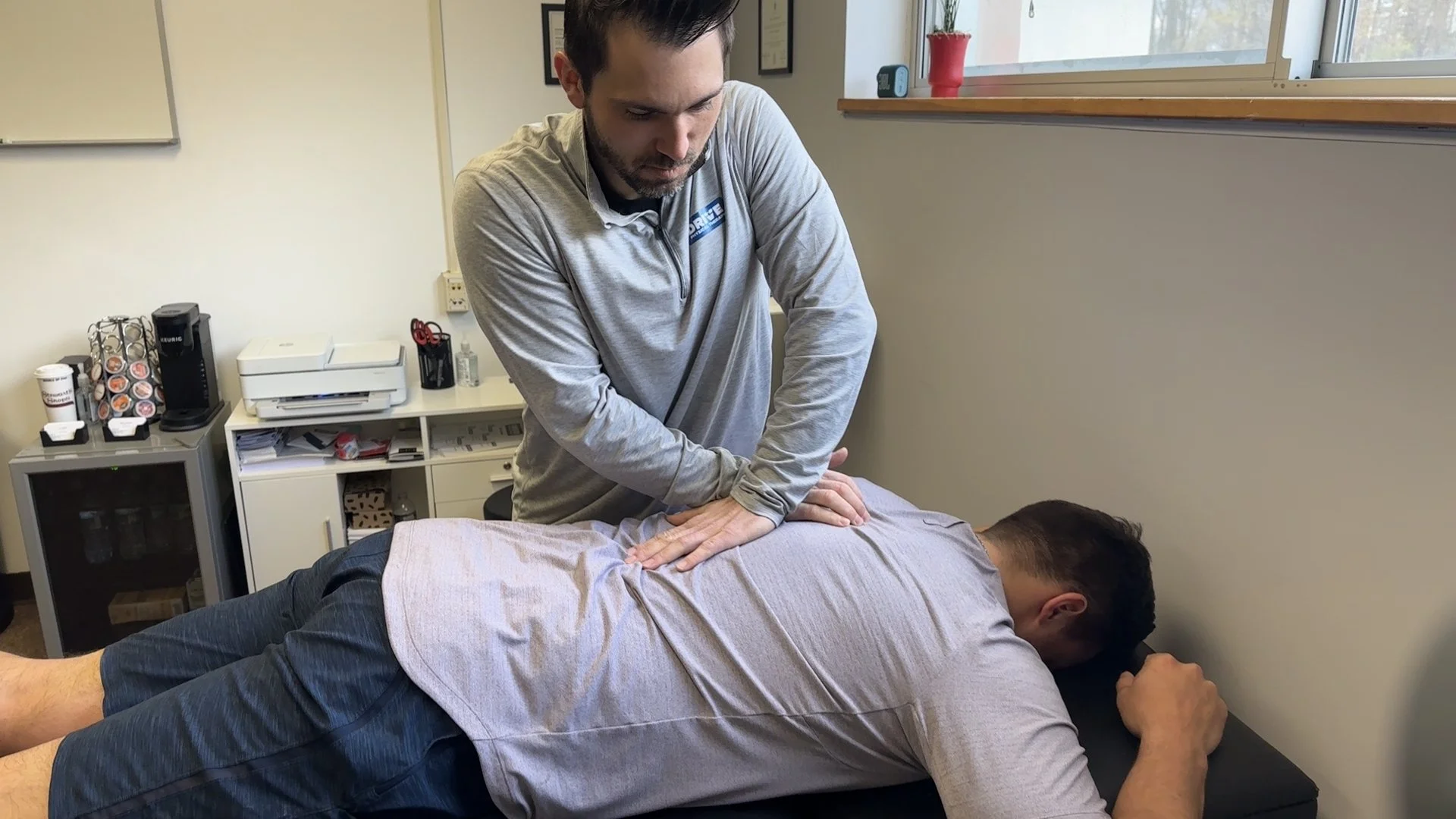
The quality of your recovery is directly tied to the quality of attention you receive. At Drive Physical Therapy, sessions are structured to give each patient the focused, individualized care their condition requires. This means no generic exercise handouts and no divided attention between multiple patients at once.
One-on-one time with a skilled clinician allows for the use of advanced treatment approaches, including manual therapy to improve joint mobility and soft tissue health, as well as progressive strength and conditioning strategies tailored to your specific injury and goals.
Because New York allows direct access to physical therapy, you do not need a physician's referral to begin care. Getting evaluated early, before a minor issue becomes a chronic problem, is one of the most effective ways to avoid a surgical consultation altogether.
Performance Physical Therapy for Golfers in Saratoga Springs
For the golfing community in Saratoga Springs, physical limitations often show up as swing compensations that place undue stress on the spine, hips, and shoulders. Over time, these compensations can lead to conditions like golfer's elbow,lower back pain, hip impingement, or rotator cuff irritation, all of which are conditions treated at Drive Physical Therapy.
The connection between physical function and golf mechanics is well established. When mobility restrictions or muscular imbalances are present, the body finds workarounds that increase injury risk. Sports physical therapy that addresses these underlying limitations, rather than simply managing pain, can change the trajectory of a golfer's long-term health and performance.
By restoring mobility, improving strength, and retraining movement patterns specific to the demands of golf, it is often possible to resolve the pain that was driving a patient toward a surgical consultation, and keep them on the course.
From Rehabilitation to Resilience: The Role of Performance Training
True recovery does not end when pain subsides. It ends when the body is strong and resilient enough to handle the full demands of your sport or activity without breaking down again.
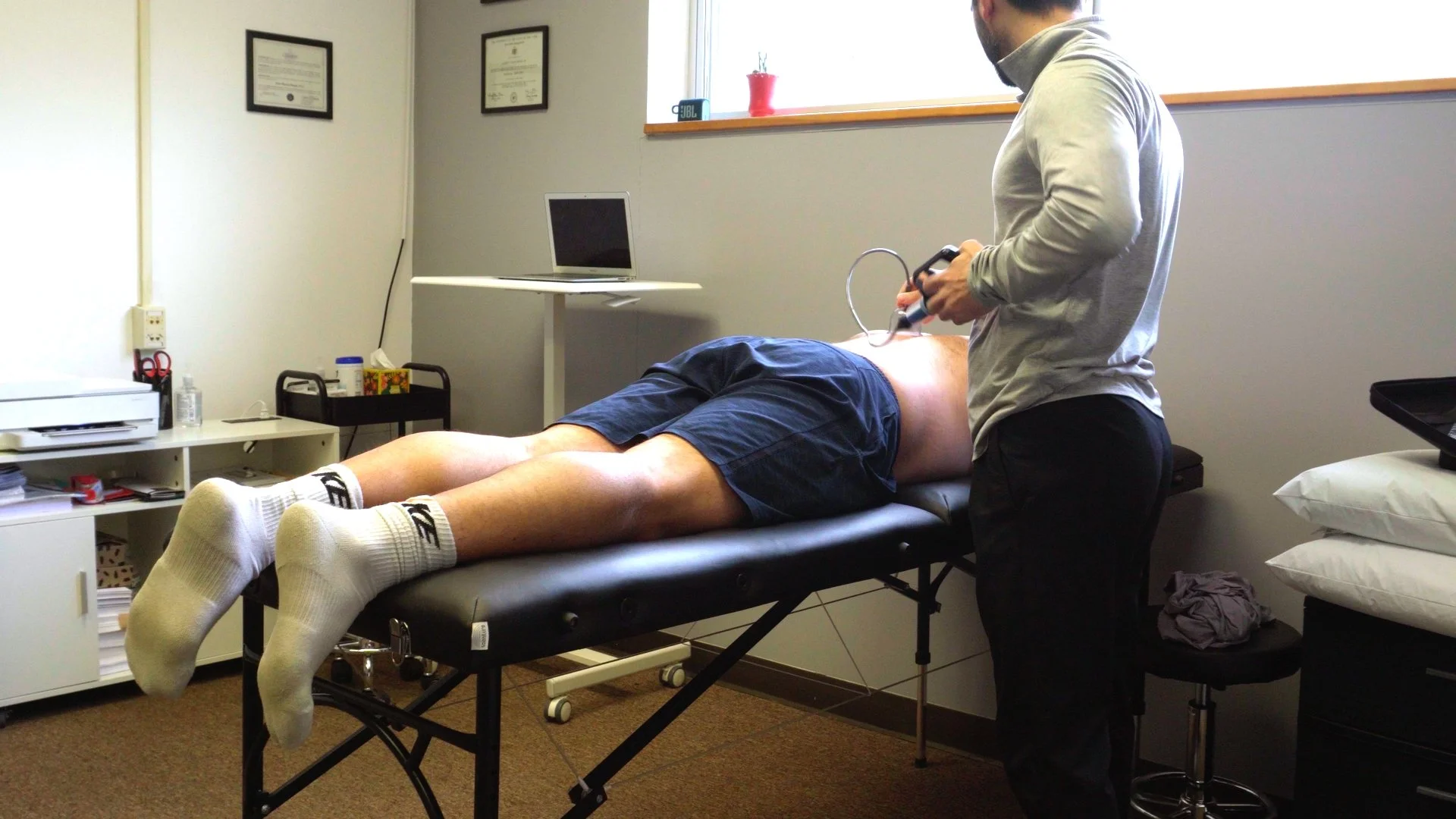
This is where performance training and sports performance training become essential components of the rehabilitation process. Bridging the gap between clinical rehab and real-world athletic demands requires progressive loading, sport-specific movement work, and a structured plan for building capacity over time.
Small group training offers an additional avenue for patients who are ready to continue building strength and conditioning in a motivating, structured environment. Staying active throughout the recovery process, with appropriate modifications, supports both physical and psychological recovery and reduces the risk of future injury.
This proactive, performance-focused model is what separates a full return to sport from a return to baseline. The goal at Drive Physical Therapy is not simply to get patients out of pain. It is to help them move, perform, and feel better than they did before the injury.
Is Performance Physical Therapy Right for You?
If you have been told that surgery or injections are your only options, a thorough evaluation by asports physical therapist may offer a different perspective. Many patients who come to Drive Physical Therapy after receiving a surgical recommendation find that a structured, goal-oriented approach to conservative care produces meaningful results.
Conditions commonly addressed include:
Spine: low back pain, sciatica, neck pain, mid back pain
Shoulder: rotator cuff pain, shoulder impingement, frozen shoulder
Elbow and wrist: tennis elbow, golfer's elbow, carpal tunnel
Hip: hip impingement, labral tears, hip pain
Knee: ACL injury, meniscus injury, runner's knee, IT band syndrome
Lower leg and foot: Achilles tendinopathy, plantar fasciitis, ankle sprains
General: arthritis, tendinopathy, overuse injuries
Whether your goal is injury prevention, return to sport, return to running, or simply getting back to the activities that matter most to you, performance physical therapy in Saratoga Springs may be the step that makes surgery unnecessary.
To learn more or to schedule an evaluation, visit Drive Physical Therapy and take the first step toward a more active, pain-free life.