
How Long Does Physical Therapy Take to Work for Common Injuries?
When you are used to being active, an injury feels like more than just physical pain. It is a frustrating barrier that keeps you from the lifestyle you love. Whether you are working toward a return to sport or simply want to move without discomfort, the first question is almost always the same: how long until I feel better?
The honest answer is that it depends. "Working" means something different to everyone. For some, it is the moment sharp pain subsides. For others, it is returning to full activity without hesitation. At Drive Physical Therapy, the goal is not just pain relief. It is restoring the strength, mobility, and function you need to perform at your best.
Why Recovery Follows a Biological Schedule
Your body is built to heal, but it follows a process that cannot be skipped. After an injury, tissue goes through phases of inflammation, repair, and remodeling. Muscles, which have a rich blood supply, tend to recover faster than tendons or ligaments, which are denser and less vascular.
Rushing through these phases, or stopping care too early, is one of the most common reasons athletes experience re-injury. Orthopedic physical therapy that addresses the root cause of dysfunction, rather than just the symptoms, is what separates a full recovery from a partial one.
Recovery Timelines for Common Injuries
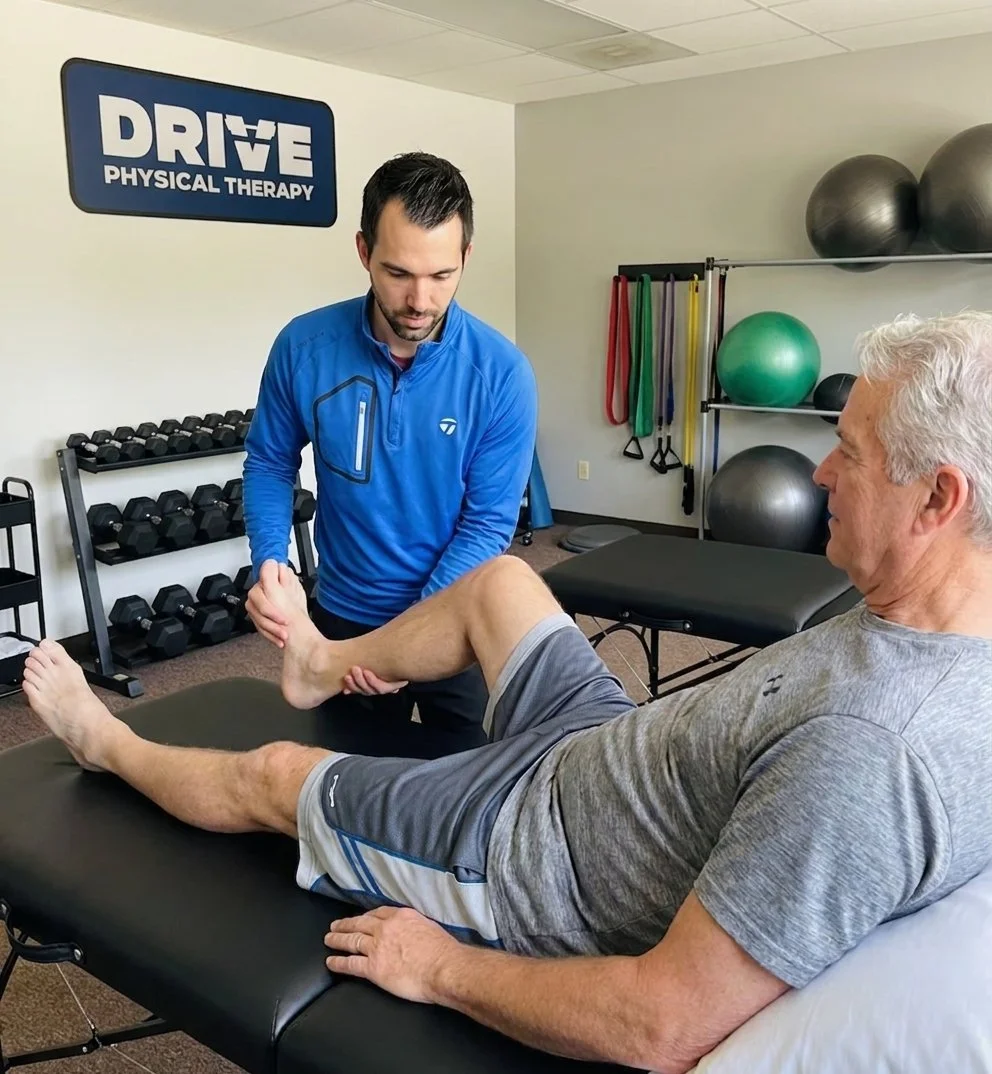
Every person heals differently, but general benchmarks can help set realistic expectations. The following are common conditions treated at Drive Physical Therapy, along with typical recovery windows when working with a specialist.
Golfer's Elbow and Tennis Elbow
Golfer's elbow and tennis elbow are overuse injuries that affect the tendons connecting the forearm muscles to the elbow. With consistent sports physical therapy, many patients see meaningful improvement within four to eight weeks. Addressing contributing factors, such as limited hip rotation or thoracic mobility, can reduce the load placed on the elbow and support a more complete recovery.
Rotator Cuff Pain and Shoulder Impingement
Minor rotator cuff injuries and shoulder impingement often require six to twelve weeks of focused rehabilitation. Treatment typically progresses from reducing pain and restoring range of motion to rebuilding the overhead strength needed for sport and daily activity. Manual therapy combined with progressive strengthening is a common and effective approach.
Knee Pain and Runner's Knee
Conditions like runner's knee and patellofemoral pain frequently show significant improvement within three to six weeks. Because the knee is influenced by both the hip and the ankle, effective running physical therapy looks at the entire kinetic chain rather than treating the knee in isolation.
Low Back Pain and Sciatica
Low back pain is one of the most common reasons people seek physical therapy. Depending on severity, patients often experience noticeable relief within four to eight weeks. Sciatica, which involves nerve irritation along the lower spine, may take longer but responds well to targeted manual therapy and movement-based treatment.
Plantar Fasciitis and Achilles Tendinopathy
Foot and ankle conditions like plantar fasciitis and Achilles tendinopathy are notoriously stubborn without proper care. With structured sports physical therapy, most patients see meaningful progress within six to ten weeks. Load management and progressive strengthening are central to long-term resolution.
Factors That Influence How Quickly You Progress
Timelines are not fixed. Several variables affect how quickly a patient responds to treatment.
Injury severity: A mild strain heals faster than a significant tendon or ligament injury.
How soon you start: Beginning physical therapy early after an injury reduces the risk of compensation patterns and secondary dysfunction.
Consistency: Attending sessions regularly and completing a home exercise program between visits accelerates progress.
Overall health and activity level: Patients who maintain general fitness tend to recover more efficiently.
Addressing root causes: Treating the source of the problem, not just the painful area, leads to more durable outcomes.
In New York, patients have direct access to physical therapy without a physician referral for up to 30 days or 10 visits. Starting care immediately after an injury, rather than waiting for a referral, is one of the most effective ways to shorten overall recovery time.
From Rehab to Performance: The Full Recovery Arc
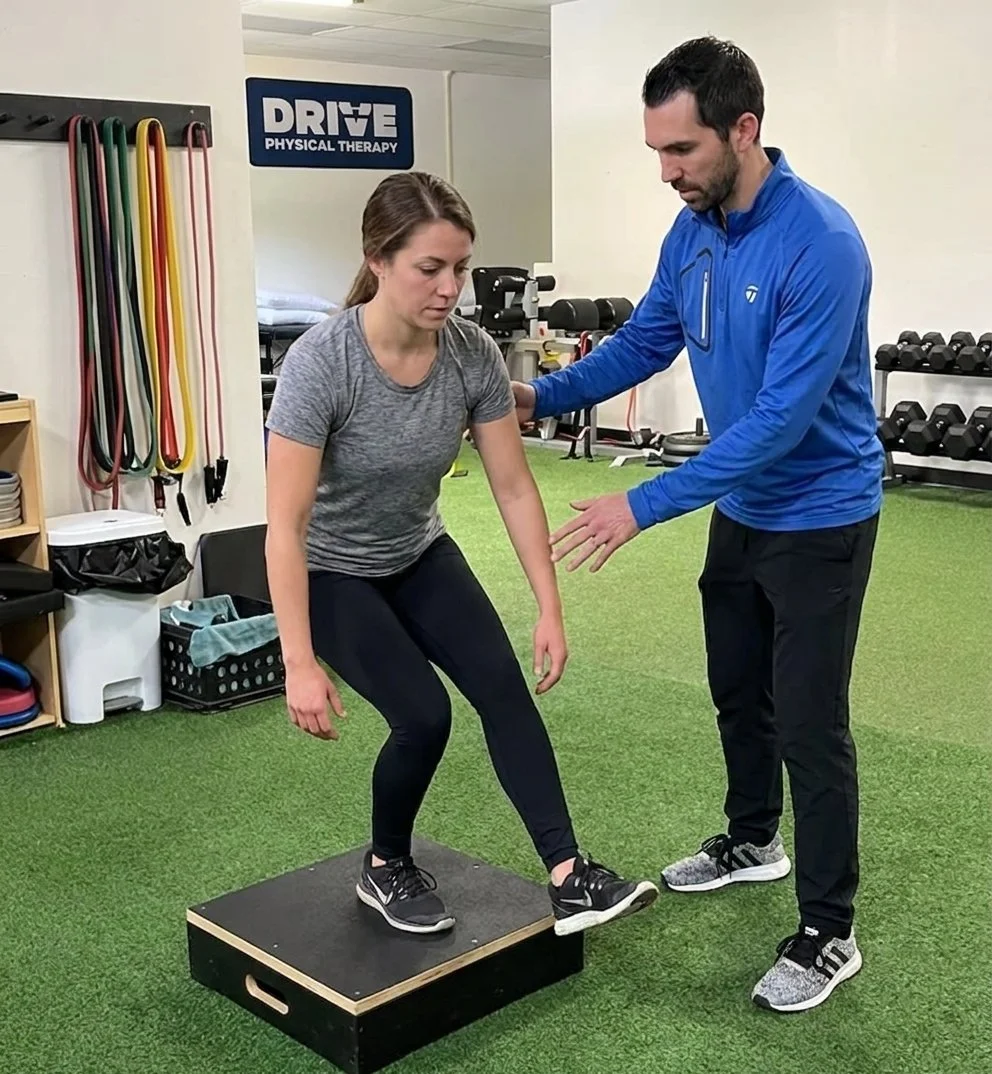
One of the most common mistakes athletes make is stopping their program the moment pain disappears. Pain relief is an early milestone, not the finish line. True recovery means restoring full strength, stability, and movement quality so the injury does not return.
Performance physical therapy at Drive Physical Therapy is designed to bridge this gap. The focus moves from managing symptoms to rebuilding the capacity needed for sport, training, and an active lifestyle. This includes strength and conditioningwork that prepares the body for the demands of real activity, not just clinical exercises.
For patients who want to continue building on their progress after formal rehabilitation, small group training in Saratoga Springs, NY offers a supervised, performance-focused environment to maintain and extend the gains made in therapy.
Setting Realistic Expectations
Physical therapy is not a passive process. The most successful outcomes come from a combination of skilled, hands-on care and active patient participation. Understanding that recovery has distinct phases, and that each phase builds on the last, helps patients stay committed through the full arc of treatment.
If you are dealing with a current injury or want to address a recurring issue before it becomes a bigger problem, prehabilitation and injury prevention services at Drive Physical Therapy can help you stay ahead of setbacks rather than reacting to them.
Ready to understand what your recovery could look like? Contact Drive Physical Therapy in Saratoga Springs, NY to get started.